SupplyVerse for Medical Device Procurement
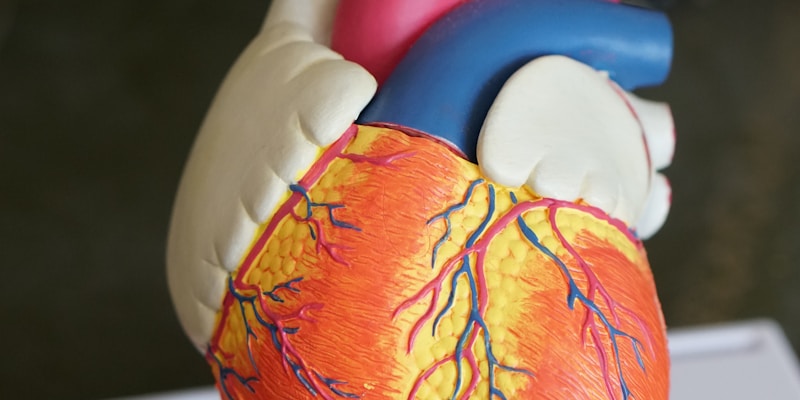
Medical devices: high margins, high stakes, high opacity
Medical device manufacturing sits at the intersection of extreme precision and extreme cost. The metals used in implants, surgical instruments, and diagnostic equipment are among the most expensive and tightly specified in any industry. Ti-6Al-4V ELI (Extra Low Interstitial) for orthopaedic implants, cobalt-chrome-molybdenum (ASTM F75) for hip and knee joints, and 316LVM surgical stainless steel for instruments and fixation devices.
The margins in medical devices are high, often 60 to 80% at the finished product level, but this does not mean procurement teams can afford to ignore material costs. The competitive landscape is intensifying, regulatory costs are rising, and every pound saved on materials flows directly to the bottom line.
Titanium implants: the cost of biocompatibility
Ti-6Al-4V ELI (ASTM F136) is the gold standard for load-bearing orthopaedic implants: hip stems, spinal cages, dental implants, and trauma fixation plates. The alloy's combination of strength, low density, and biocompatibility makes it irreplaceable in these applications.
But titanium is expensive. Sponge prices, mill conversion costs, and the difficulty of machining titanium (low thermal conductivity, high tool wear) all contribute to component costs that can reach hundreds of pounds per piece even for relatively simple geometries.
Suppliers of titanium implant components know that their customers face long qualification timelines and regulatory constraints that make switching suppliers difficult. A new supplier for a Class III implant component requires full biocompatibility testing, mechanical validation, and regulatory submission. This process can take 18 to 36 months, during which the existing supplier has significant pricing power.
Cobalt-chrome: the joint replacement workhorse
Cobalt-chrome-molybdenum alloys (ASTM F75 for castings, ASTM F1537 for wrought) are used extensively in articular bearing surfaces for hip and knee replacements. The material offers exceptional wear resistance and biocompatibility, but its cost is driven by cobalt pricing, which is one of the most volatile and opaque commodity markets in the world.
Cobalt is primarily produced as a by-product of copper and nickel mining, with over 70% of global supply originating in the Democratic Republic of Congo. Supply disruptions, ethical sourcing requirements, and competing demand from the battery sector create a pricing environment that is difficult for procurement teams to navigate without specialised data.
A supplier quoting cobalt-chrome investment castings might cite "rising cobalt costs" as justification for a 10% price increase. But without access to current cobalt pricing, conversion costs, and scrap recovery values, the buyer has no basis to evaluate whether the increase is justified.
Surgical stainless steel: specification matters
316LVM (Low carbon, Vacuum Melted) stainless steel is the standard for surgical instruments, bone screws, and temporary fixation devices. While stainless steel is generally more affordable than titanium or cobalt-chrome, the medical-grade specifications add significant cost. Vacuum melting reduces inclusion content, improving fatigue life and corrosion resistance, but it also roughly doubles the raw material cost compared with standard 316L.
Suppliers sometimes blur the line between standard 316L and 316LVM pricing. A buyer who does not understand the cost differential between the two grades may accept a price that bundles standard material with a medical-grade premium, or conversely may overpay for standard material quoted at medical-grade prices.
Regulatory burden and supplier lock-in
Medical device procurement is uniquely constrained by regulatory requirements. FDA 21 CFR 820 quality system regulations, ISO 13485 certification, and the EU MDR (Medical Device Regulation) all impose requirements on supplier qualification, material traceability, and change control that make switching suppliers expensive and time-consuming.
This regulatory lock-in creates a commercial environment where suppliers can extract above-market margins with limited competitive pressure. The cost of qualification is so high that buyers often accept incremental price increases rather than invest in qualifying an alternative source.
How SupplyVerse helps medical device buyers
SupplyVerse gives medical device procurement teams the commodity intelligence they need to negotiate effectively within a constrained supply base. When you upload a quote for titanium implant components, Agent Midas calculates the material cost based on current titanium sponge pricing, applies the appropriate mill conversion and machining costs, and produces a should-cost model that separates material from processing costs.
For cobalt-chrome castings, Midas tracks cobalt pricing from multiple sources, calculates the alloy cost based on the specific grade composition, and benchmarks the investment casting conversion cost against industry norms. The result is a transparent cost model that identifies exactly where margin is embedded.
Agent Midas for medical devices
Medical device margins are high, but material costs still matter. Agent Midas gives your procurement team the data to have informed conversations with suppliers, even when switching is not a near-term option. Knowing exactly what a part should cost changes the dynamics of every negotiation. Upload your component quotes, get fair prices backed by live market data, and build a procurement function that protects margins through intelligence rather than leverage alone.
Ready to verify your supplier pricing?
Agent Midas benchmarks every quote against live LME data in under 60 seconds.
Meet Agent Midas →